
Last Updated: August 6, 2026
Garage Door Lubrication Service in Berkeley, CA
A $49 lubrication visit is the difference between a door that whispers and one that wakes the block. Santos & Sons Garage Door lubricates doors across Berkeley with silicone and lithium products matched to each part, chosen to stand up to Bay Area fog and salt air.
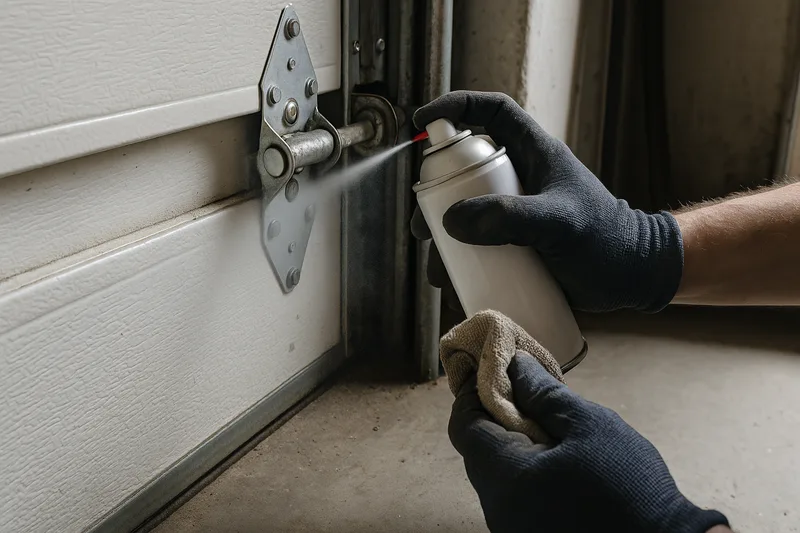
Professional-grade lubrication extends the life of your garage door
How Much Does Garage Door Lubrication Cost?
| Service | Price Range |
|---|---|
| Lubrication Only | $49 – $69 |
| Lubrication + Inspection | $69 – $89 |
| Full Lube & Tune Package | $89 – $125 |
| Annual Lube Plan (2 visits) | $129 – $169 |
Prices include the lubricants, the labor, and a multi-point inspection that flags problems while they're still cheap. The annual plan buys two scheduled visits at a discount. The trip out is free, and any work beyond the lubrication itself gets a written estimate you approve first.
What Parts Need Lubrication?
Some parts need lubricant and some parts are ruined by it. Here's the split.
Parts That Require Lubrication
- Hinges, at the pivot point where the pin meets the body. They flex on every cycle and squeak first when they run dry.
- Steel rollers, on the shaft and bearing so the wheel spins freely. Steel only. Nylon rollers get nothing.
- Torsion springs, coated along their full length. That cuts coil-on-coil friction, blocks the rust that weakens the steel, and stretches spring life.
- Chain-drive and screw-drive rails, along their length. Belt drives skip this step.
- The bearing plates at each end of the torsion shaft, which rotate on every cycle.
- The T-handle lock and any deadbolt, lightly, so they keep turning instead of rusting stiff.
Parts You Should NOT Lubricate
- Tracks. They must stay dry so the rollers grip. Lubricated tracks make rollers slip, and a slipping roller is how doors jump their tracks.
- Nylon rollers. They're self-lubricating, and oil just glues grit to the nylon.
- Weatherstripping. Petroleum products break down the rubber, and it cracks, swells, and fails early.
Best Lubricant for Garage Doors
The product matters as much as the placement. Two work. One famous one doesn't.
Silicone-Based Spray
Silicone spray is the best all-purpose garage door lubricant. It penetrates moving parts quickly, does not attract dust or dirt, resists moisture, and works across a wide temperature range. Use silicone spray on rollers, bearing plates, lock mechanisms, and any part where you want lightweight, clean lubrication. It dries to a thin protective film that repels water, making it ideal for Berkeley homes exposed to Bay Area fog and coastal humidity.
White Lithium Grease
White lithium grease provides heavier, longer-lasting lubrication for high-friction components. It is the preferred choice for hinges and torsion springs where parts are under significant load and need thick lubrication that stays in place rather than dripping off. White lithium grease adheres well to metal surfaces and provides excellent rust protection for springs exposed to moisture.
Why WD-40 Is NOT a Lubricant
WD-40 is the most common mistake homeowners make when trying to lubricate their garage door. Despite its reputation, WD-40 is a solvent and degreaser, not a lubricant. It was designed to displace water and break down rust, not to provide ongoing lubrication. When sprayed on garage door parts, WD-40 strips away existing lubrication, leaves parts unprotected once it evaporates, and attracts dust and dirt that accelerate wear. If your door was recently treated with WD-40, it needs proper re-lubrication with silicone spray or lithium grease to restore protection.
Signs Your Garage Door Needs Lubrication
- High-pitched squeaking or squealing during operation. That's dry metal rubbing dry metal.
- A deeper grinding sound, usually dry roller bearings or hinge pivots worn past their coating.
- The door moves in starts and stops instead of gliding. Dry spots catch and release as it travels.
- The door runs slower than it used to, or the opener strains. Friction is loading the motor.
- You can see rust on the springs or hinges. The protective film is gone, and a rusty spring is a weaker spring.
- It's been more than six months. If you can't remember the last lubrication, it's overdue.
Hearing any of this? Call Santos & Sons at (650) 750-7029. A $49 lubrication now beats a roller or spring replacement later.
How Often Should You Lubricate a Garage Door?
Every six months for most homes. Berkeley's climate argues for more.
Close to the water, quarterly is the better schedule. Salt deposits eat through protective coatings, moisture works into unsealed bearings, and the fog leaves a damp film on springs and hinges that rusts them. Homes within a few miles of the bay feel this first.
Spring and fall are the natural service dates: spring readies the door for heavy summer use, and fall protects it before the rains. On a quarterly schedule, add winter and mid-summer visits.
Our annual lube plan includes two scheduled visits timed to your specific needs, and our technicians track your maintenance history so nothing gets missed. As part of our tune-up service, we combine lubrication with a full system inspection to catch developing problems early.
Professional vs DIY Garage Door Lubrication
A handy homeowner can do a passable lubrication. Here's what the professional visit adds.
Right Products for Each Component
Professionals know which lubricant type belongs on which part. Using lithium grease where silicone is needed, or vice versa, reduces effectiveness and can damage certain materials. We carry multiple professional-grade products and apply each one to the specific components it was designed for.
Proper Application Amounts
More lubricant is not better. Over-application creates drips that attract dirt, stain your garage floor, and can cause rollers to slip in the tracks. Under-application leaves parts unprotected. Our technicians apply the precise amount needed for full protection without excess.
Early Problem Detection
During professional lubrication, our technicians inspect every component they touch. We identify worn rollers, fraying cables, weakening springs, and loose hardware before they fail. This inspection is included with every lubrication service and frequently prevents expensive emergency repairs.
Safety Around Springs
Torsion springs are under extreme tension and can cause serious injury if mishandled. Professional technicians are trained to work safely around loaded springs, applying lubrication without putting themselves or the spring system at risk. We strongly recommend homeowners never attempt to lubricate or adjust torsion springs themselves.
Frequently Asked Questions
What is the best lubricant for a garage door?
Silicone spray for most parts: rollers, bearing plates, and lock mechanisms. White lithium grease for hinges and torsion springs, where the load calls for something heavier that stays put. Skip WD-40 entirely. It's a solvent that strips lubrication and pulls in dirt.
How often should you lubricate a garage door?
Every six months, minimum. In coastal spots like Berkeley, quarterly is better, because salt air and moisture corrode springs, hinges, and steel rollers faster. Spring and fall are the natural dates for a twice-a-year schedule.
Can WD-40 be used on garage doors?
No. WD-40 is a degreaser and solvent, not a lubricant. It strips the existing lubrication off hinges, springs, and rollers and leaves the bare metal collecting dust. Use silicone spray or white lithium grease instead.
What parts of a garage door should NOT be lubricated?
Three parts stay dry: the tracks, nylon rollers, and weatherstripping. Rollers grip a dry track, and a lubricated one makes them slip. Nylon rollers are self-lubricating, and oil just embeds grit in them. Rubber and vinyl weatherstripping breaks down on contact with petroleum products.
Why is my garage door squeaking after lubrication?
Three usual reasons: the wrong product went on (often WD-40), a component got missed, or the rollers and hinges are worn past what lubricant can help. A steel roller with dead bearings or a hinge with an elongated pin hole squeaks until it gets replaced.
Why Choose Santos & Sons for Garage Door Lubrication
Santos & Sons Garage Door is a licensed, insured, family-owned company based in Berkeley. The trucks carry professional-grade silicone sprays and white lithium greases that hold up longer than the consumer cans, and every lubrication visit includes a multi-point inspection of the springs, rollers, cables, tracks, and opener.
Book it as a standalone visit or as part of a full tune-up, where hardware tightening, safety testing, and opener adjustment ride along in the same maintenance appointment.
We serve Berkeley and the surrounding Bay Area with same-day scheduling and 60-minute arrival windows. You approve the price before any work starts, one visit or an annual plan.